


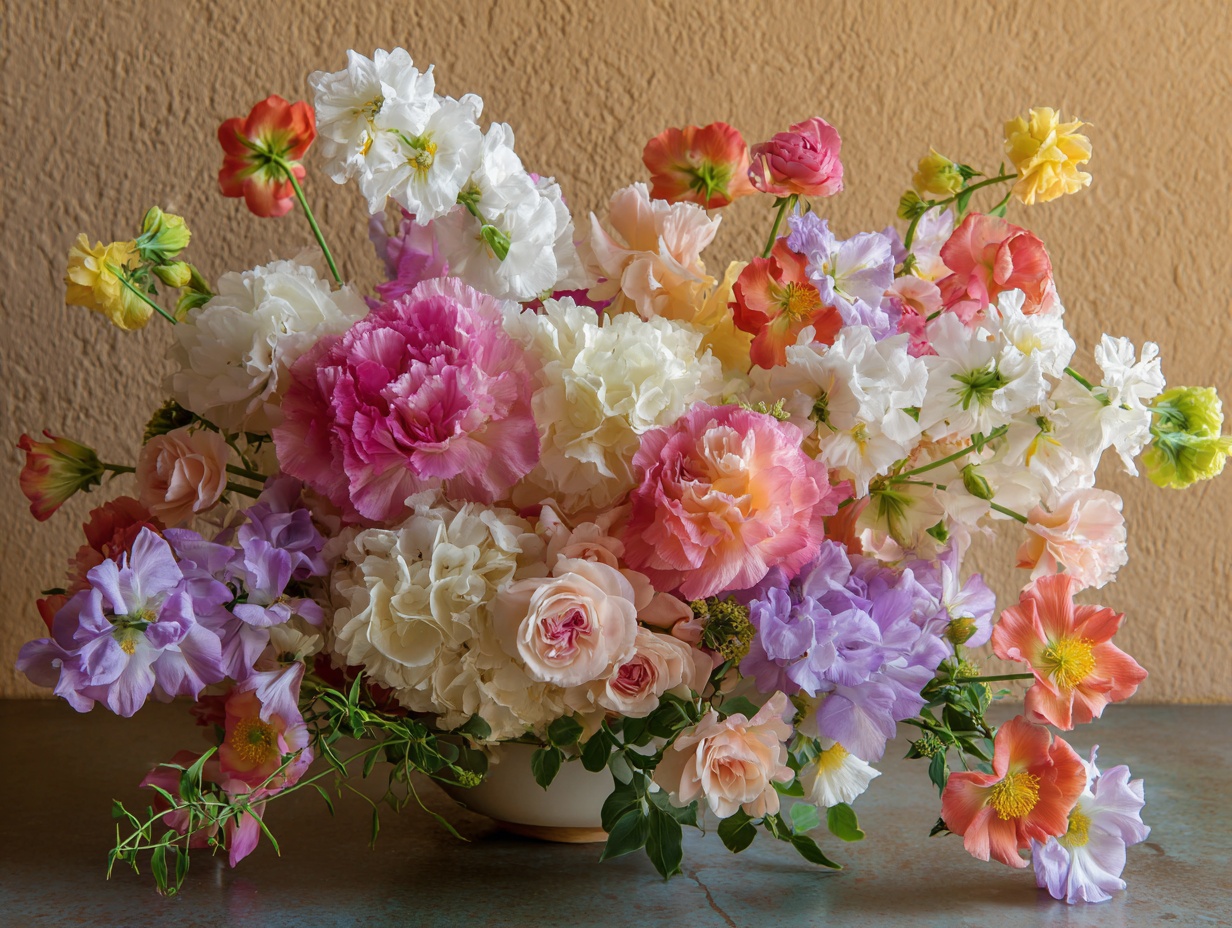
Spring flowers hold significant cultural and emotional value, serving as symbols of renewal and growth. The arrival of spring is often heralded by the blooming of vibrant flowers, which infuse the environment with color and life, marking the end of winter’s dormancy. These floral manifestations not only beautify landscapes but also act as harbingers of hope, signaling a fresh start and new beginnings.
Many cultures have assigned various meanings to specific spring flowers. For instance, daffodils are commonly associated with rebirth and renewal, while cherry blossoms symbolize the fleeting nature of life. In numerous traditions, these flowers are utilized in ceremonies and celebrations, emphasizing their role as a bridge between the past and the present. Whether used in seasonal festivals or personal milestones, spring flowers contribute significantly to the emotional landscape of people’s lives, reminding them of the beauty inherent in cycles of change.
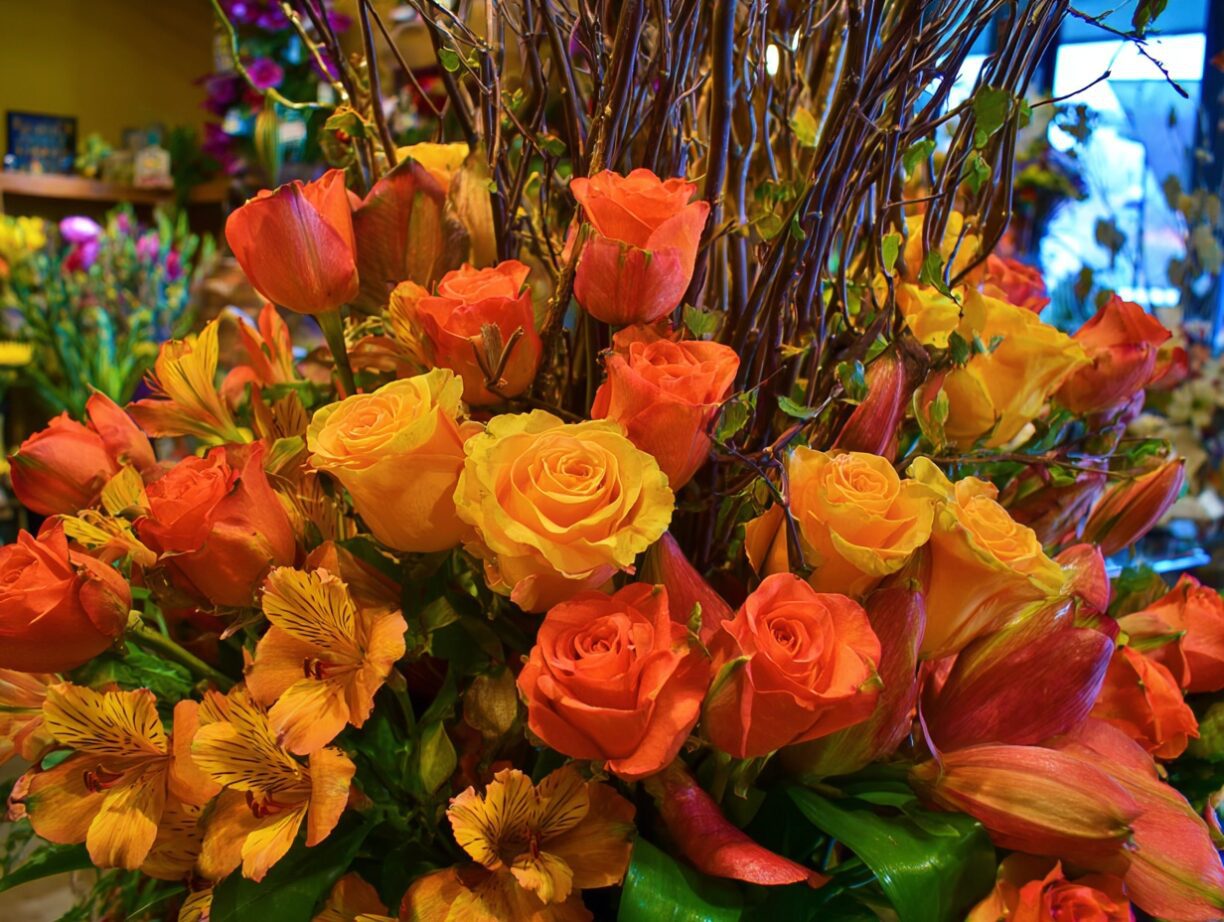
Additionally, the act of incorporating spring blooms into decor has profound psychological benefits. The vibrant colors and fragrant scents of flowers evoke feelings of joy and tranquility, proving therapeutic to many. People gravitate toward these floral arrangements during significant events such as weddings and graduations, underscoring their importance in commemorating cherished moments. Flowers serve not only as decorative elements but also as emotional touchstones that connect individuals to their personal experiences and collective traditions.
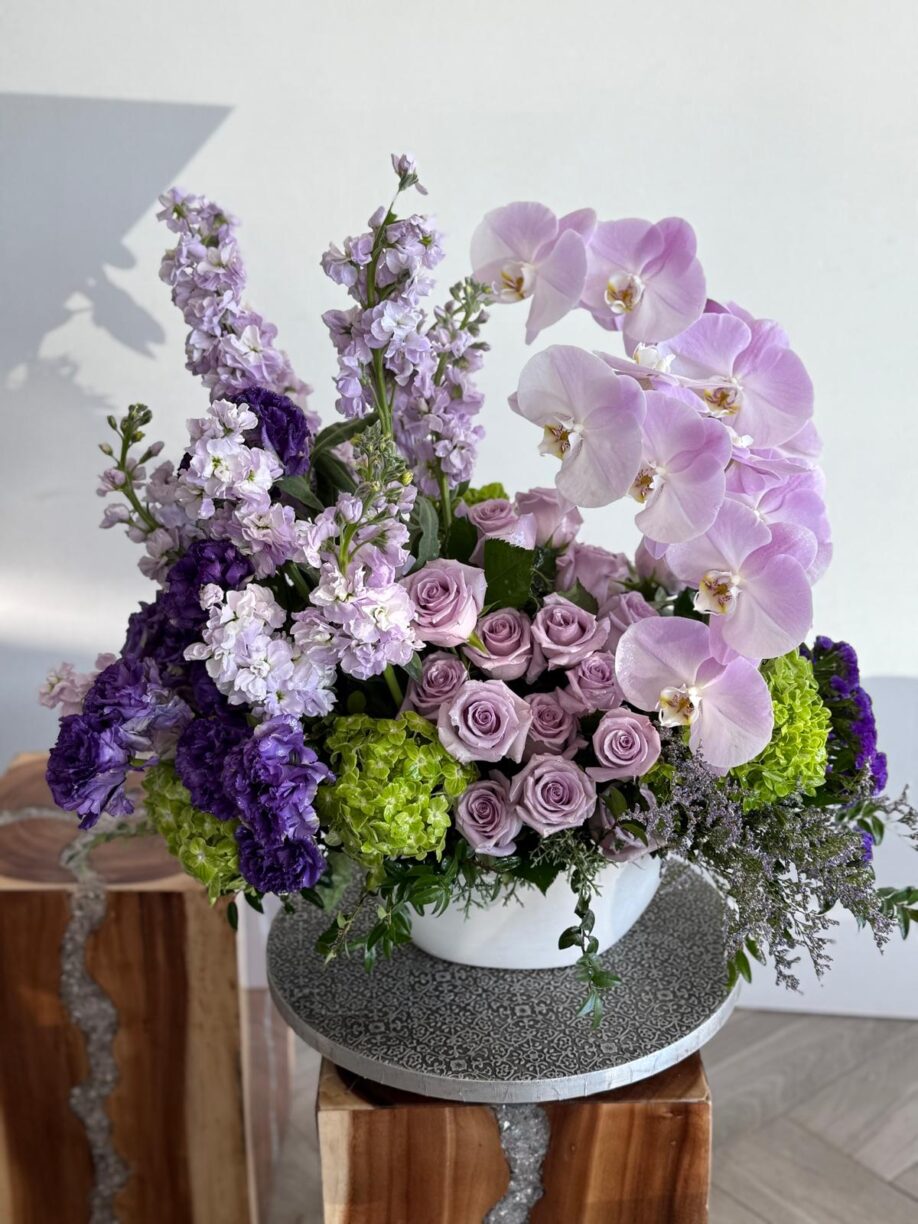
Ultimately, the significance of spring flowers transcends mere aesthetics; they embody hope and positivity, encapsulating the spirit of renewal that characterizes this season. As individuals embrace the joys of spring through floral arrangements, they celebrate the ever-present cycle of nature and its profound impact on human emotion.
Popular Spring Flowers: A Colorful Palette
Spring is a season teeming with vibrant colors and new beginnings, and the flowers that bloom during this time offer a delightful array of hues and shapes. Among the most popular flowers heralding the arrival of spring are tulips, daffodils, hyacinths, and cherry blossoms. Each of these blooms contributes uniquely to the colorful landscape, making them ideal for floral arrangements.
Tulips, known for their classic cup shape, come in a variety of colors including red, pink, white, and yellow. They symbolize love and elegance, making them a favorite choice for spring bouquets. The soft petals and striking colors of tulips create a visually pleasing contrast, perfect for brightening up any space.
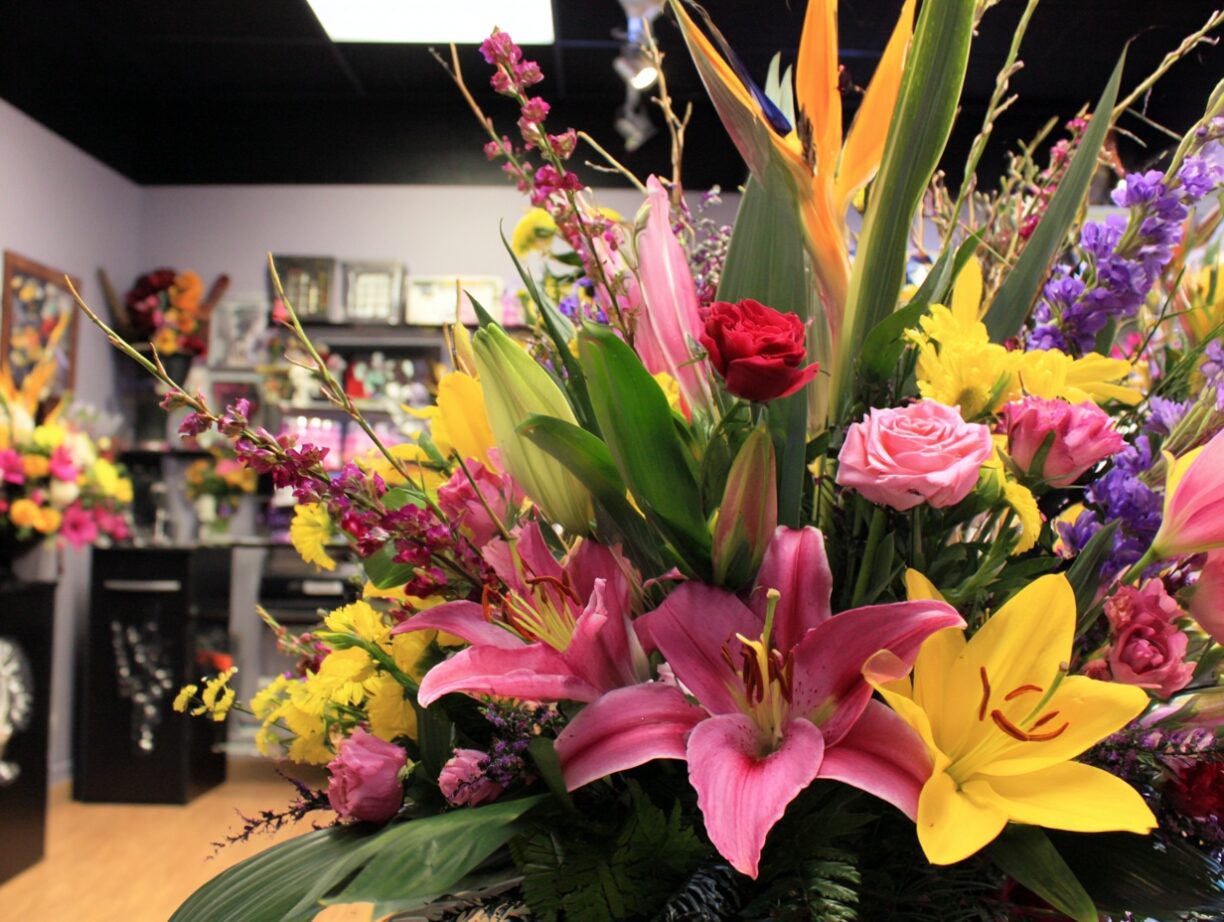
Daffodils, with their cheerful yellow and white hues, are another iconic spring flower. Their trumpet-shaped blooms symbolize rebirth and new beginnings, making them a common sight in gardens and parks. These flowers pair well with other spring blooms, creating an uplifting palette that evokes the essence of the season.
Hyacinths are celebrated not only for their intense color—ranging from deep blues and purples to soft pinks and whites—but also for their delightful fragrance. These flowers can fill a room with a sweet scent and are often used in arrangements to enhance the olfactory experience.
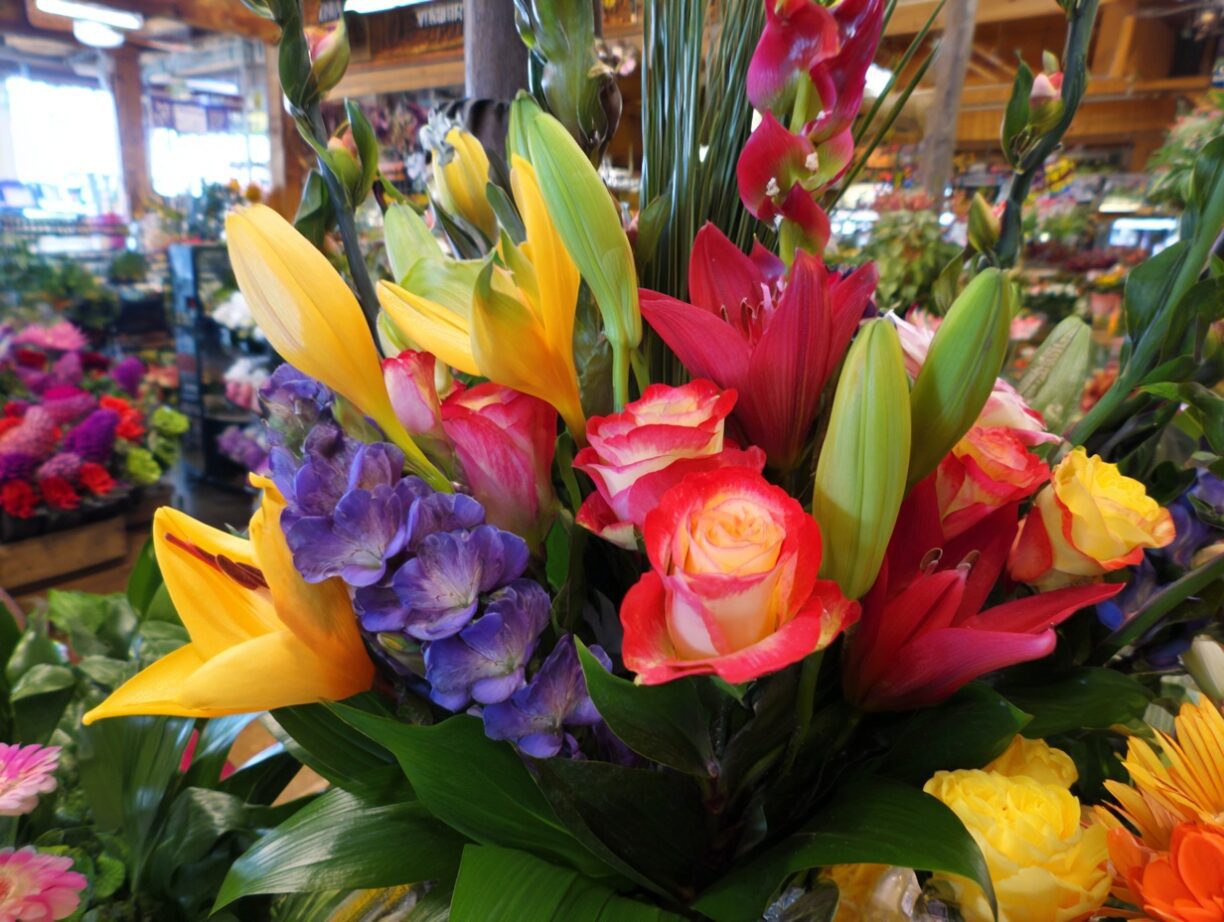
Lastly, cherry blossoms are a breathtaking sight during spring. Their delicate pink and white blossoms symbolize the transient nature of life. The cascading flowers can be integrated into arrangements to create a magnificent focal point or backdrop, embodying the ephemeral beauty of spring.
Incorporating these popular spring flowers into arrangements can yield stunning displays that celebrate the season’s vibrant colors and fragrant essence. By understanding the characteristics and ideal color palettes of each, floral enthusiasts can craft meaningful and visually striking arrangements.
Creating Balanced Color Arrangements
When working on floral arrangements, especially those featuring spring blooms, understanding color theory is fundamental. A well-balanced color scheme can elevate the overall appeal of any arrangement. To achieve this, one should consider complementary, analogous, and contrasting colors. Complementary colors are opposite each other on the color wheel, such as purple and yellow, and their pairing can create a striking visual effect. On the other hand, analogous colors are next to each other, such as blue and green, providing a more harmonious appearance that is soothing to the eye.
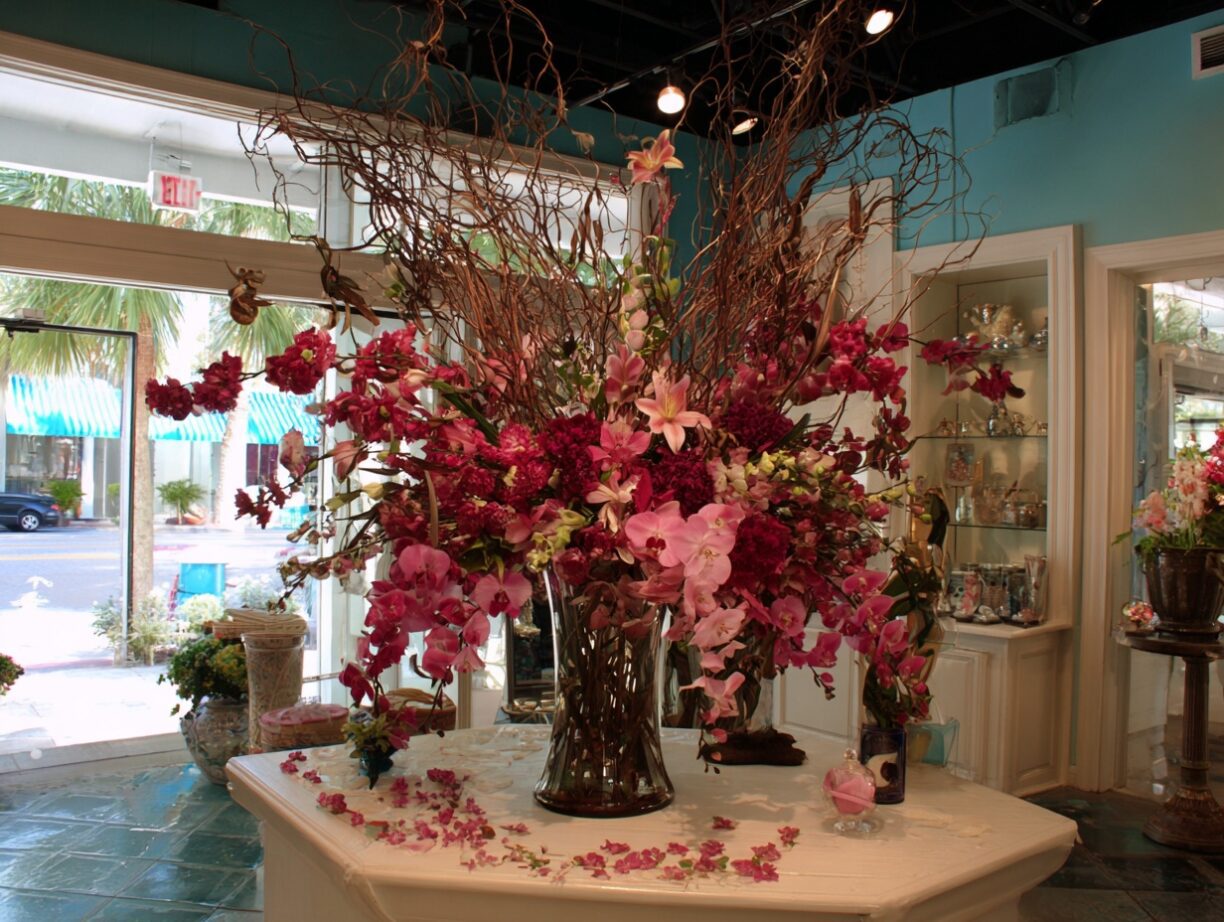
Choosing a color scheme begins with identifying the feeling you want to convey. Cooler tones like blues and greens evoke calmness, while warm tones like reds and oranges can bring energy and warmth to the arrangement. Once a color palette has been established, it is essential to maintain balance by distributing colors evenly throughout the arrangement. This can be achieved by placing larger, more vibrant flowers in the center and surrounding them with softer, smaller blooms.
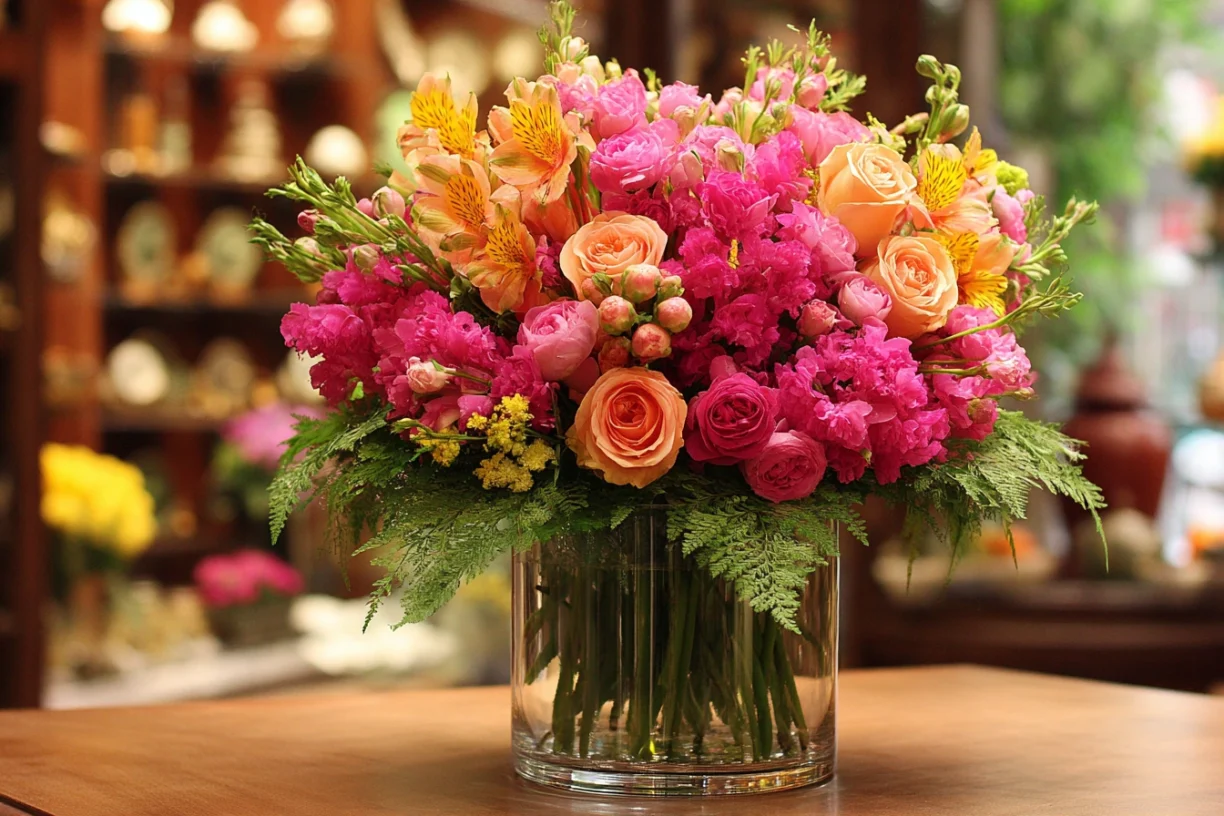
Additionally, mixing textures plays a pivotal role in enhancing the arrangement’s visual interest. Incorporating flowers with varying petal shapes and leaf textures can draw attention and add depth. For instance, pairing the delicate petals of peonies with the more structured blooms of tulips can create an appealing contrast. Furthermore, including greenery not only enhances the overall aesthetic but also helps to frame the colors effectively.
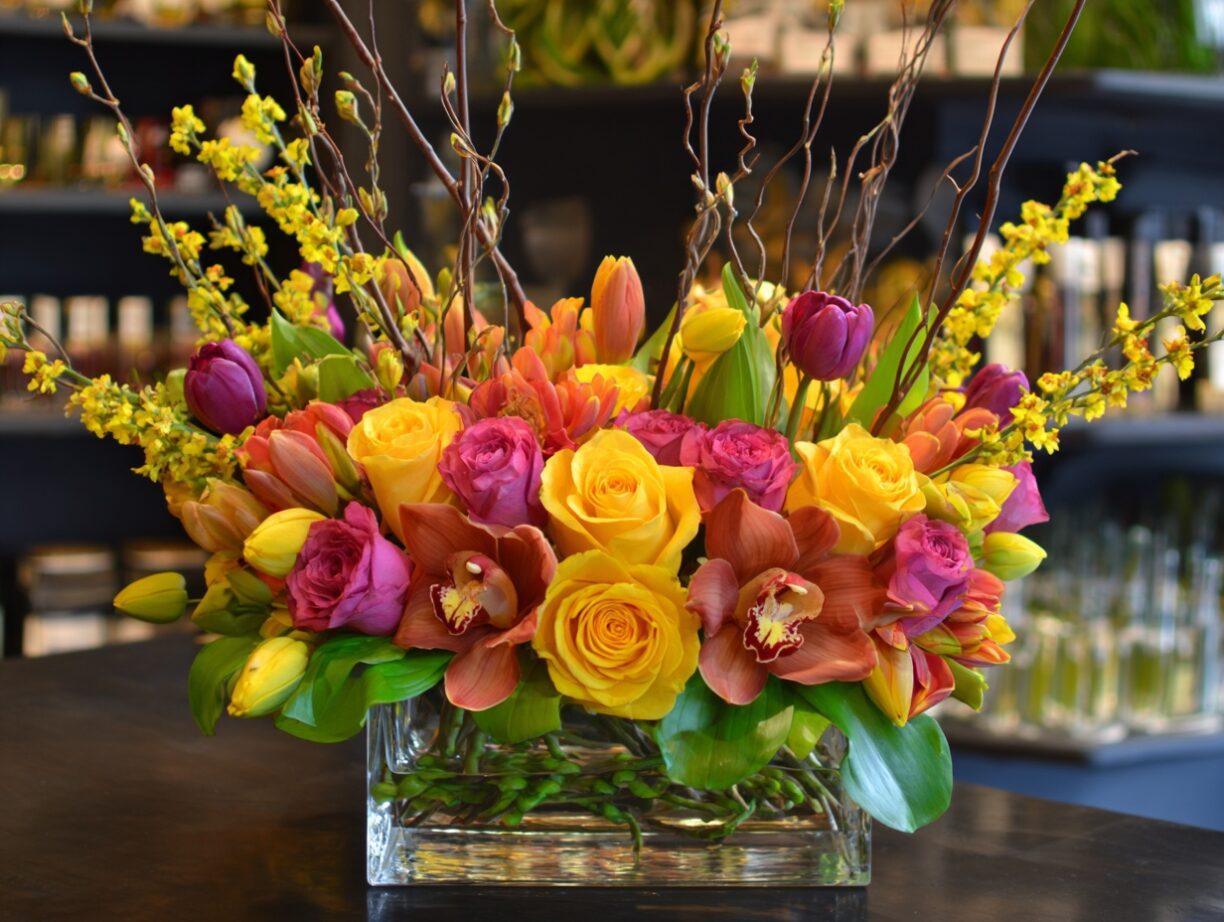
Incorporating different flower types into your arrangements is also important, as it introduces diversity. By combining different species, such as daisies, hyacinths, and snapdragons, one can amplify the arrangement’s visual impact. Using these principles of color theory will ensure that your spring floral arrangements are not only beautiful but also balanced and engaging.
Tips for Arranging Spring Flowers
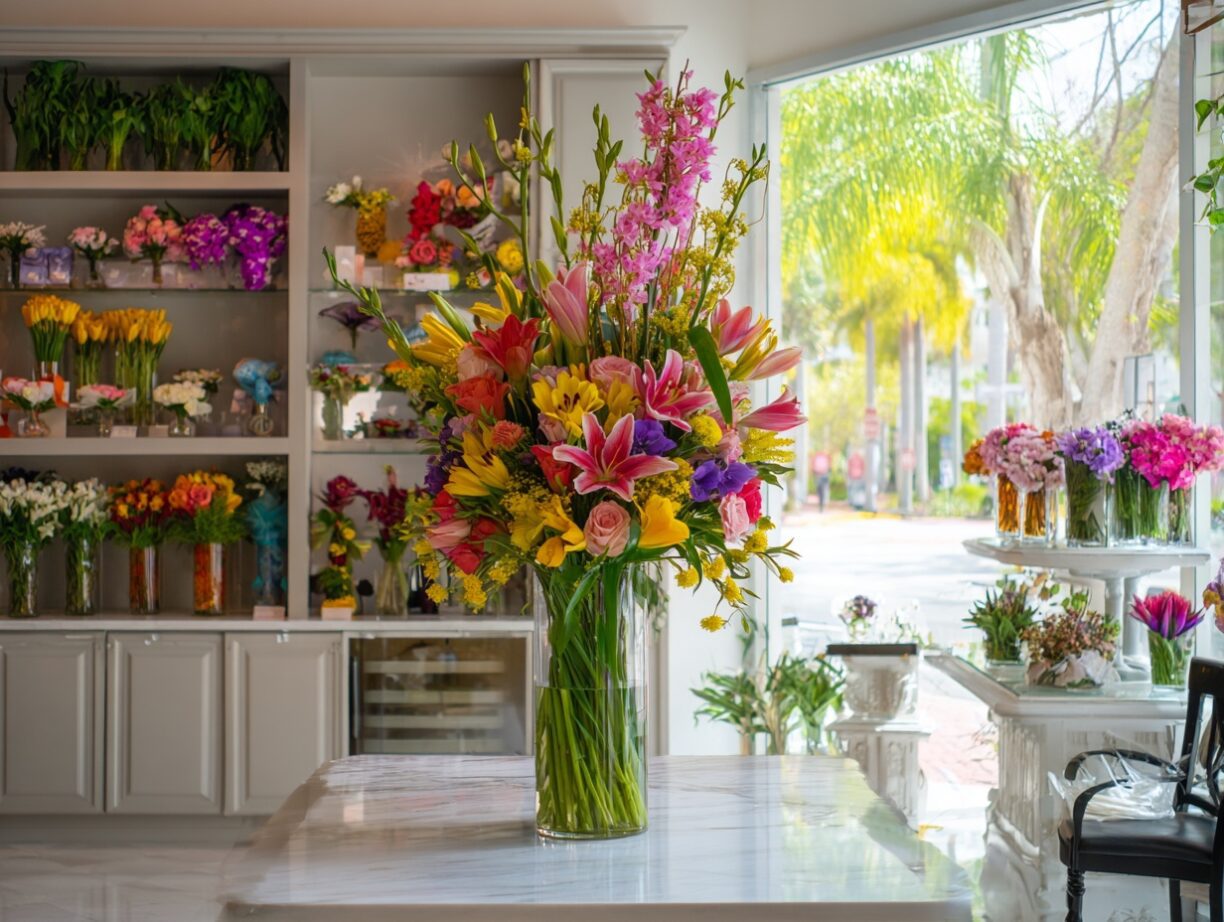
Arranging spring flowers can be a delightful endeavor, allowing individuals to bring the beauty of the season into their homes. To begin, it is essential to select the appropriate vase for your arrangement. A vessel should complement the height and shape of the flowers being used. For taller blooms, such as lilies or snapdragons, a tall and narrow vase works well, while a wider vessel is suitable for shorter and fuller flowers, like peonies or tulips.
Once you have chosen a vase, focus on the cutting techniques for achieving long-lasting arrangements. Using sharp garden shears, cut the stems at a diagonal angle. This increases the surface area for water absorption, leading to better hydration for your spring flowers. Additionally, removing any leaves that will be submerged in water is crucial, as submerged foliage can promote bacterial growth that shortens the life of the arrangement.
The use of greenery is vital in enhancing the overall aesthetic appeal of floral arrangements. Foliage provides texture and contrast, helping to create a more dynamic composition. Consider adding seasonal greens, such as ferns or eucalyptus, to fill out the arrangement and give your spring flowers a lush backdrop.
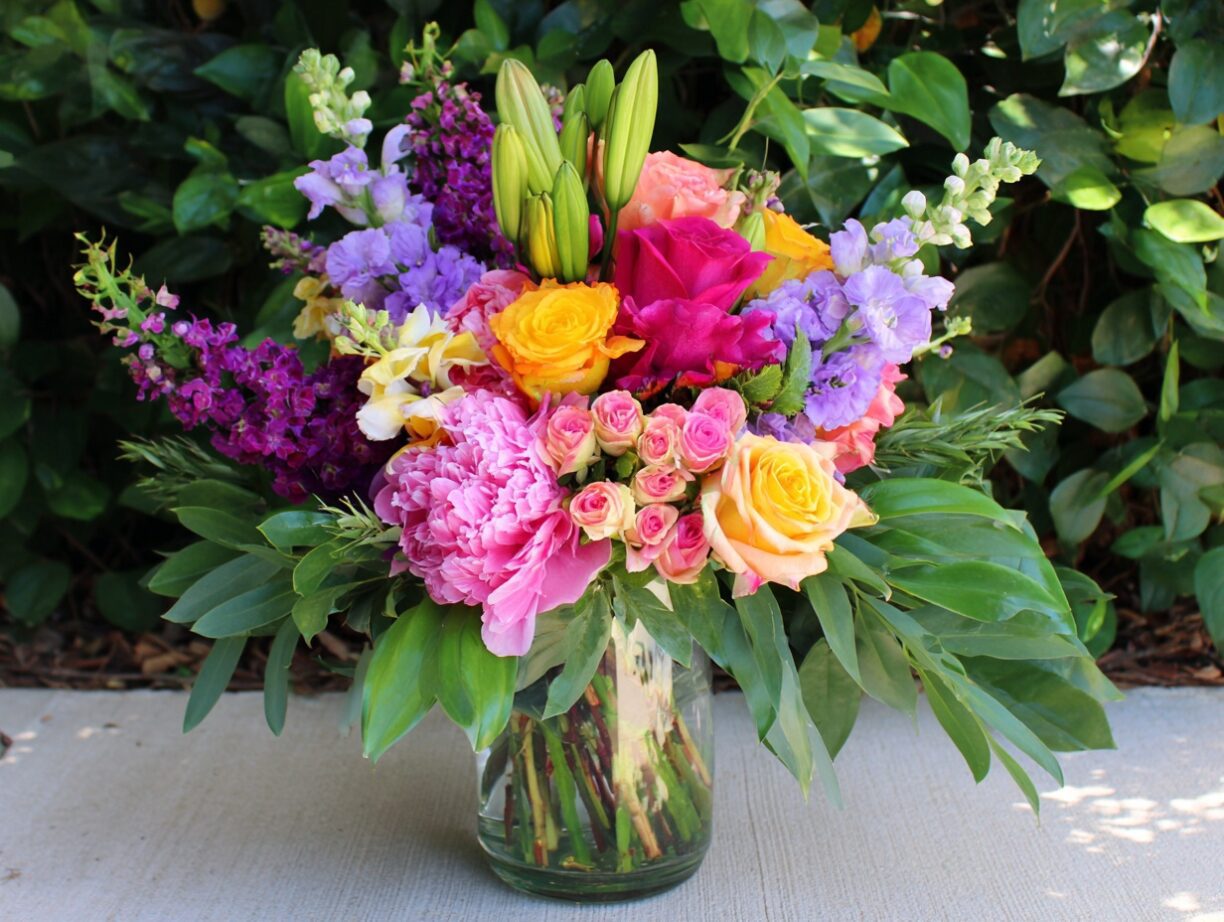
To create various types of arrangements, such as bouquets, centerpieces, and wreaths, follow these simple steps: For a bouquet, gather stems in one hand, positioning the longer stems at the back and the shorter ones at the front, then secure with floral tape. For a centerpiece, arrange larger blooms in the center and add filler flowers around them to create a balanced look. For wreaths, wire flowers and greens onto a circular frame, layering them for fullness. By following these guidelines, you will be well-equipped to showcase your beautiful spring blooms.