

Flower language, also referred to as floriography, is the art and science of interpreting the meanings behind flowers. This fascinating practice has historical roots that can be traced back to various cultures throughout history, where blooms were employed as vehicles for communication and emotional expression. In the Victorian era, for instance, sending a bouquet was not simply a gesture of affection; each flower carried a specific meaning, enabling individuals to articulate feelings that may have been considered socially inappropriate to express openly.
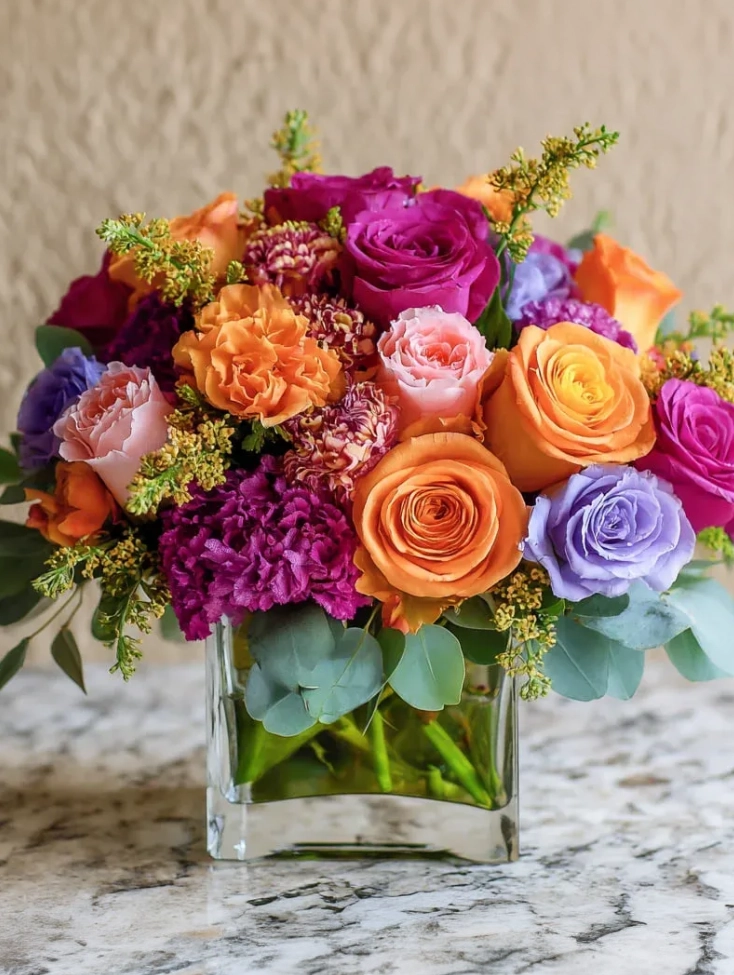
Flowers possess unique symbolic meanings that vary between different cultures and contexts. For example, red roses are widely recognized as symbols of love and passion, while white lilies often represent purity and innocence. However, understanding flower language also requires careful consideration of the context in which these plants are presented. The same flower may convey different emotions depending on the occasion, color, or even the arrangement in which it is displayed. Personal interpretation further enriches the experience of floriography—what one bloom means to one individual may not hold the same significance for another.
Literature has long celebrated the power of flowers to convey profound messages. In Shakespeare’s works, for example, flowers are frequently used as metaphors for love, betrayal, and beauty. Historical events, such as the custom of *sending flowers during mourning periods*, also illustrate how flora has been employed to express complex emotions. The enduring power of flowers in communication is a testament to their ability to transcend language and societal norms, providing a unique and universal means for people to connect and convey meaning. Thus, understanding flower language not only enriches our appreciation for these natural wonders but also enables us to engage more thoughtfully with the messages they convey.
The Symbolism of Popular Flowers
Flowers have long articulated feelings and sentiments, each bloom carrying its unique significance. Understanding the meanings behind popular flowers can greatly enhance the messaging of a floral arrangement, whether for special occasions or as everyday tokens of affection. Below are some of the most cherished flowers and their associated meanings.
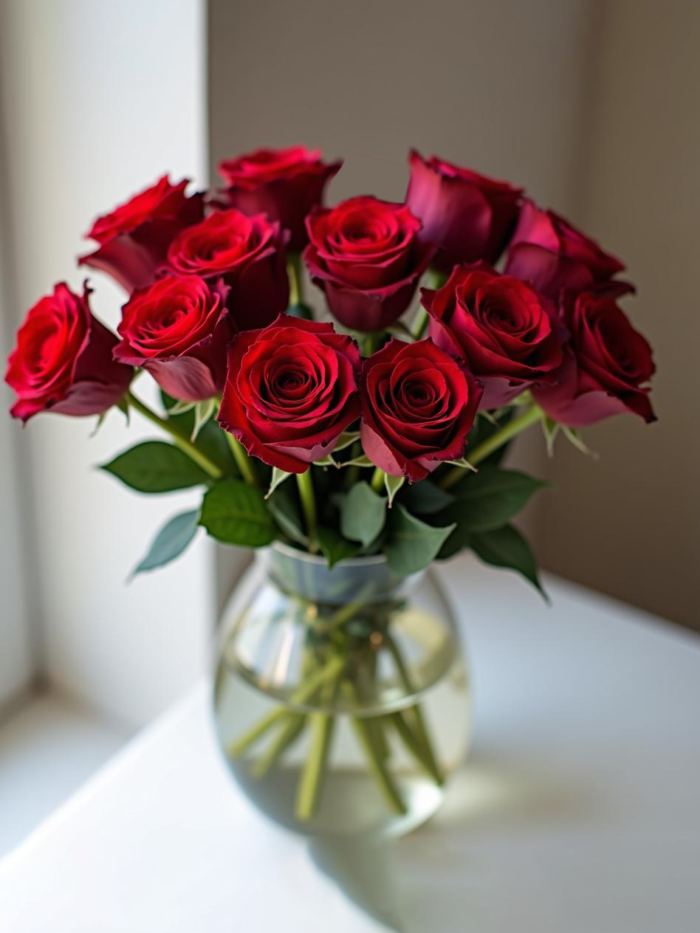
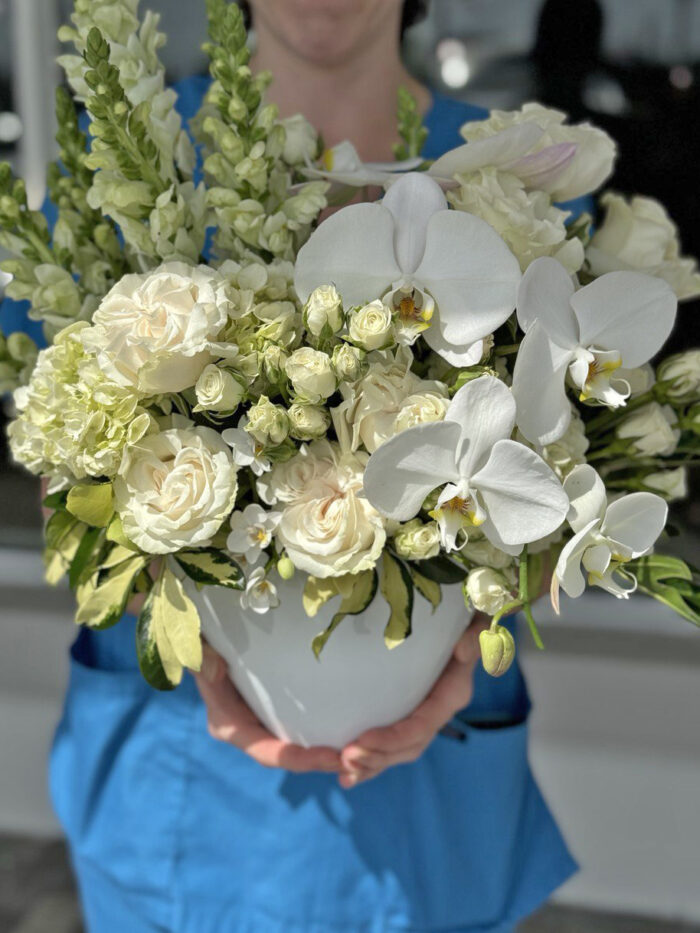
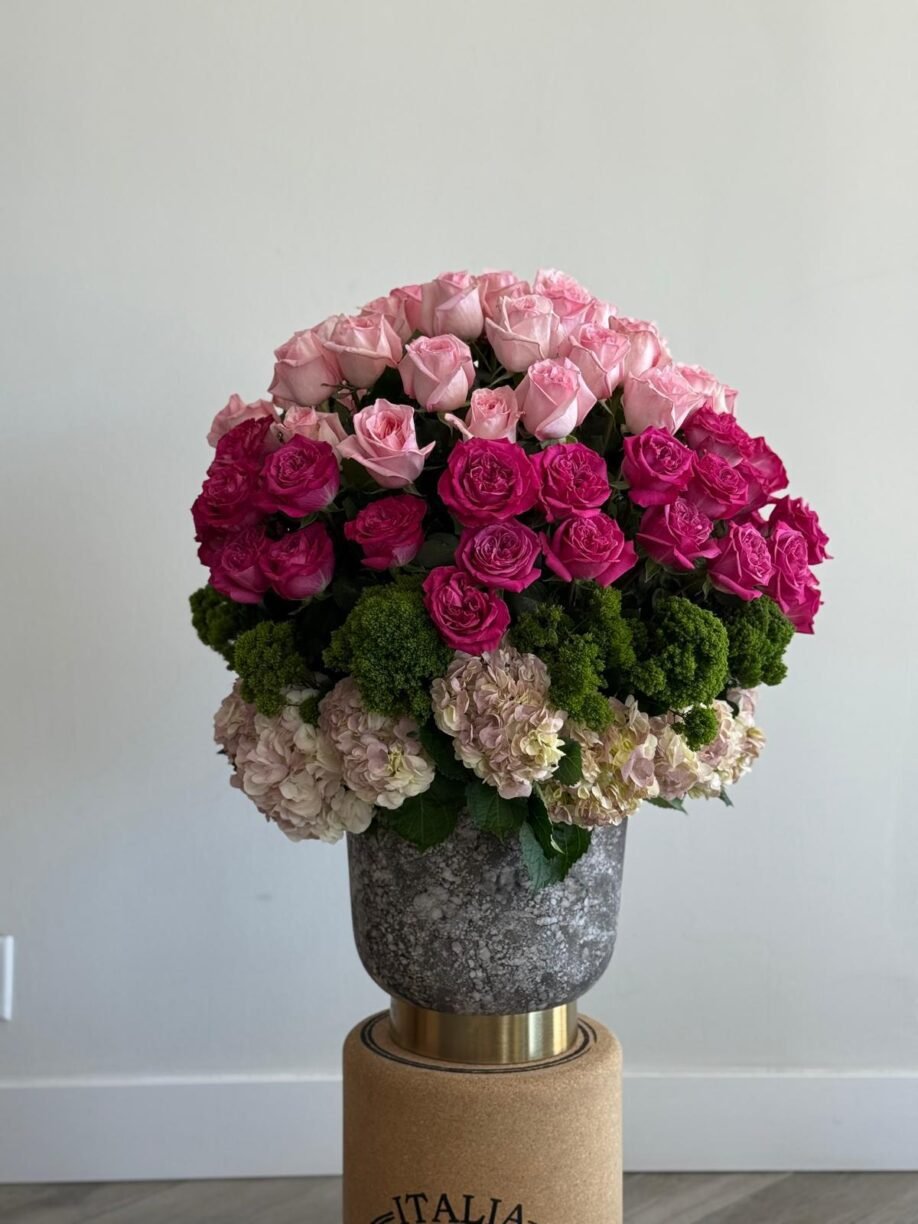
Roses are perhaps the most iconic among blooms, symbolizing love and beauty. The meaning of a rose can dramatically shift based on its color. For instance, a red rose signifies passionate love, while a pink rose embodies gratitude and admiration. White roses, on the other hand, are synonymous with purity and innocence, often used in wedding ceremonies. Furthermore, yellow roses convey joy and friendship, making them ideal for celebrating platonic relationships.
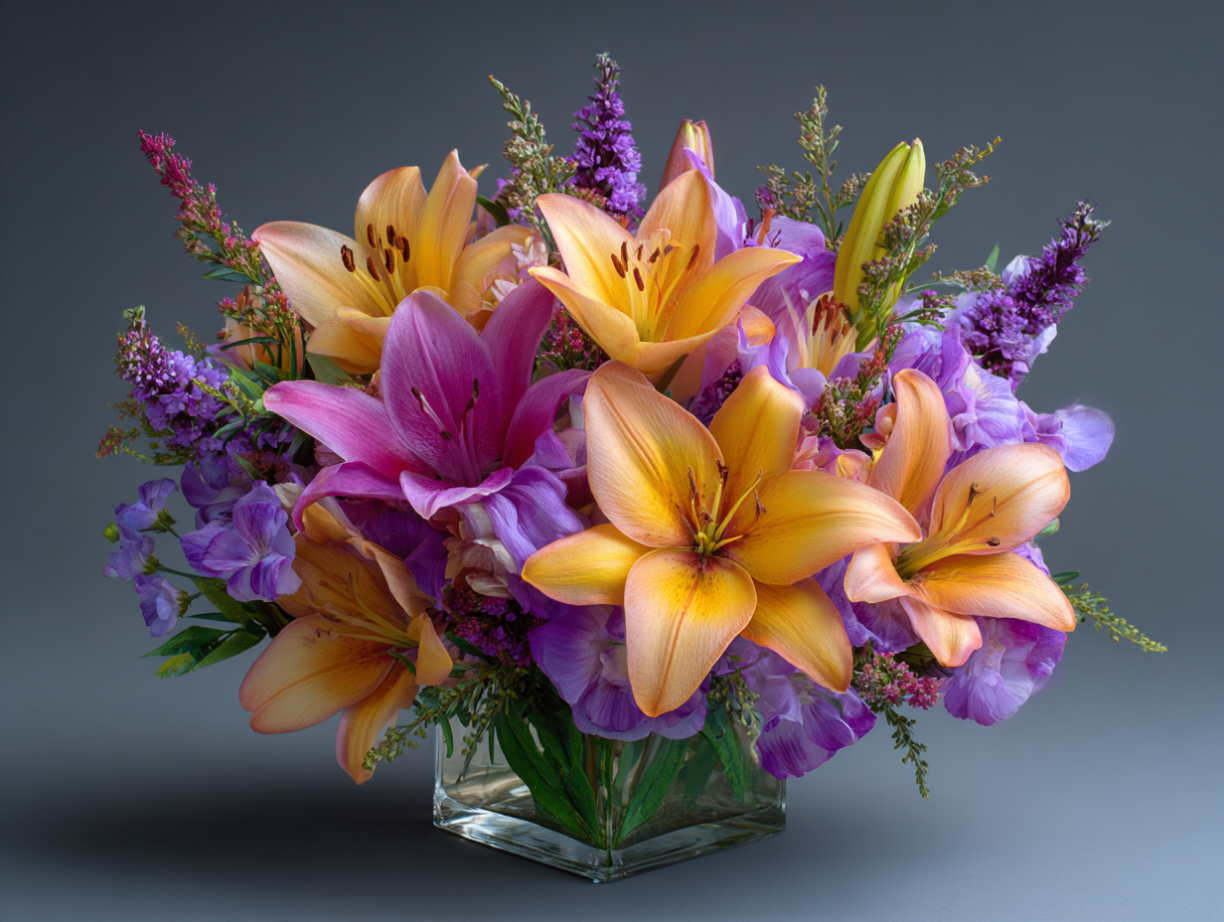
Lilies are another significant flower, often associated with various emotions, including purity, renewal, and transience. The white lily symbolizes chastity and virtue, which is often linked to religious contexts. Conversely, the stargazer lily is a more vibrant bloom, expressing aspiration and prosperity, perfect for moments of celebration and acknowledgement of achievements.
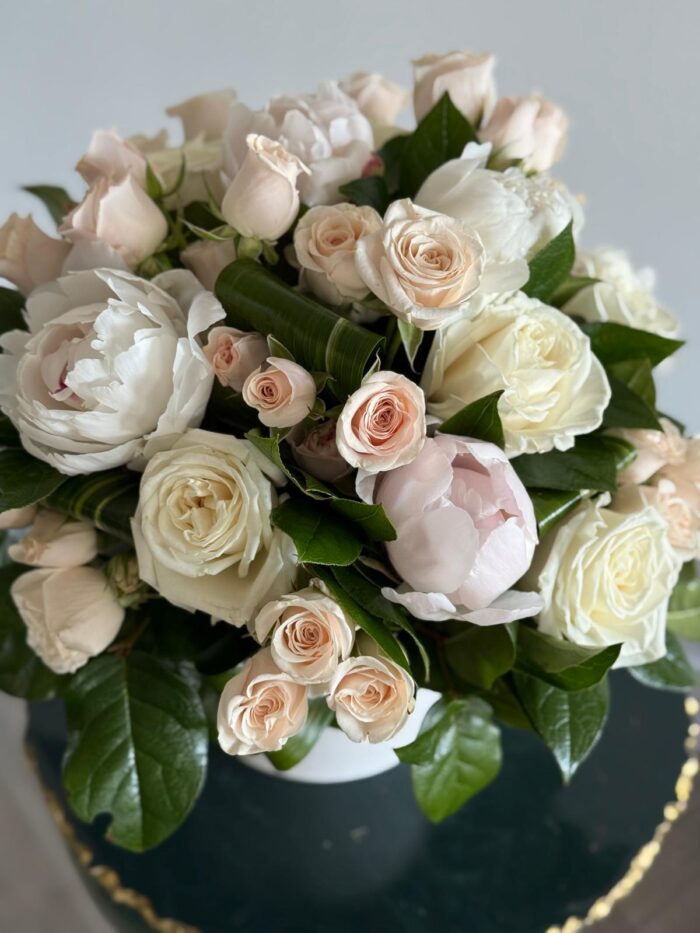
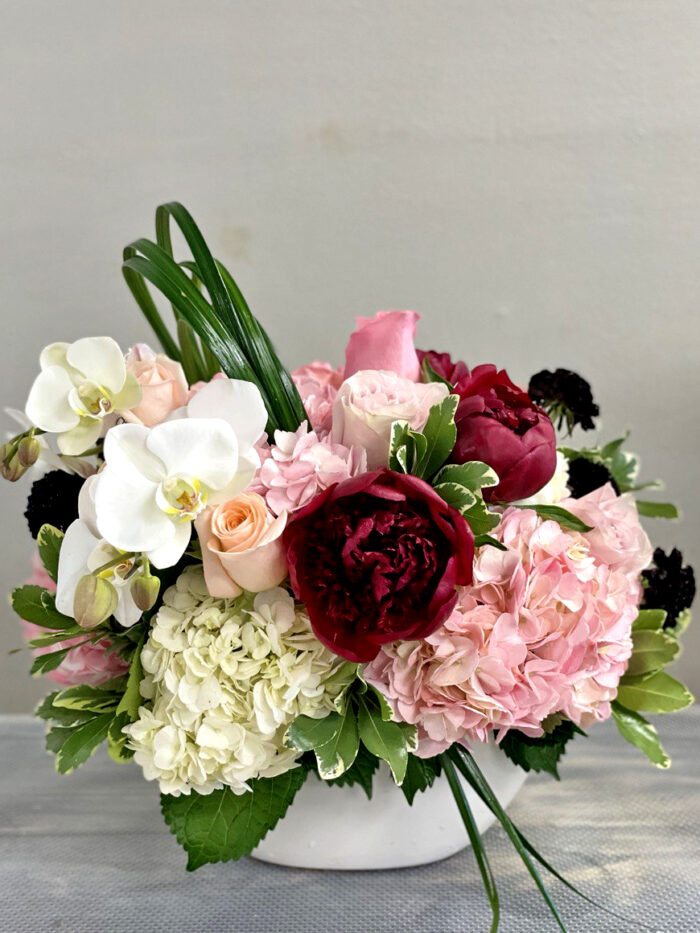
Peonies have captured admirers with their lush blooms and are often viewed as symbols of romance and prosperity. Their full, fragrant petals convey a sense of richness, making them a popular choice for weddings. In Asian cultures, peonies are also considered symbols of good fortune and happiness.
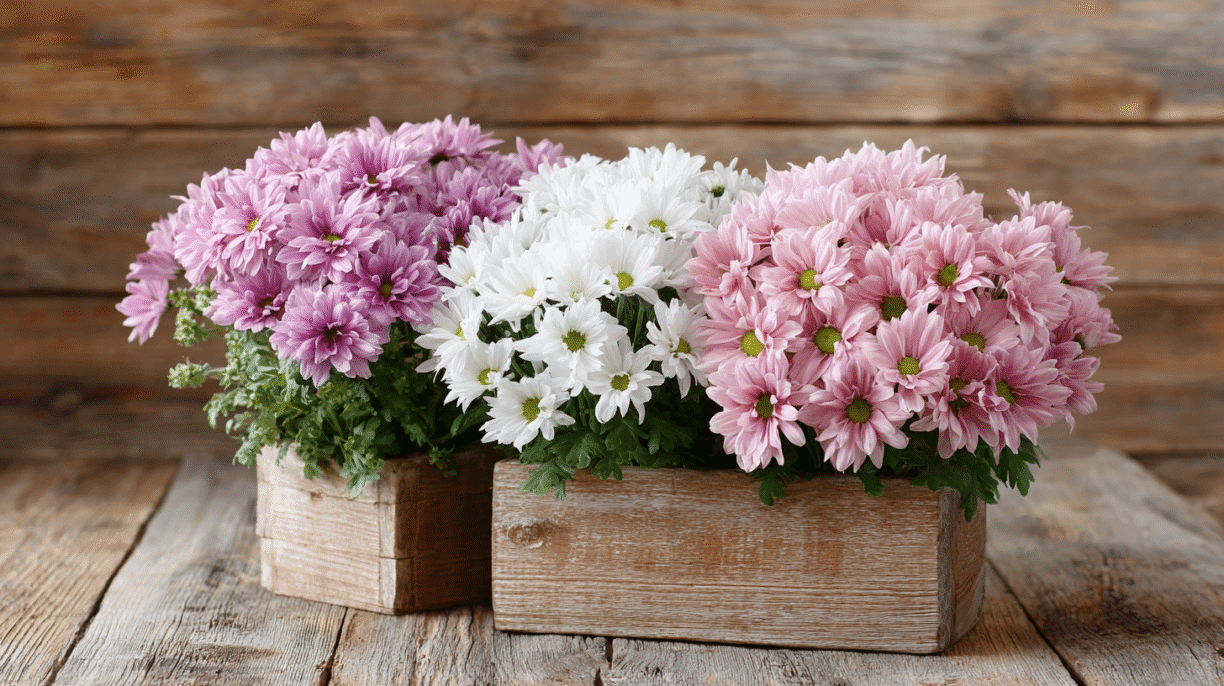
Finally, daisies evoke a sense of innocence and purity. They are often associated with childhood and playfulness. The daisy’s simplicity makes it a perfect choice to express loyalty and devotion in relationships.
Choosing the Right Flowers for Your Intentions
When selecting flowers for various occasions, it is essential to consider the emotions or messages you wish to convey. Each flower carries its own unique symbolism and meaning, which can significantly enhance your message. For example, red roses are universally recognized as symbols of love and passion, making them an ideal choice for romantic gestures. On the other hand, yellow roses convey friendship and joy, suitable for celebrating a special bond with a friend.
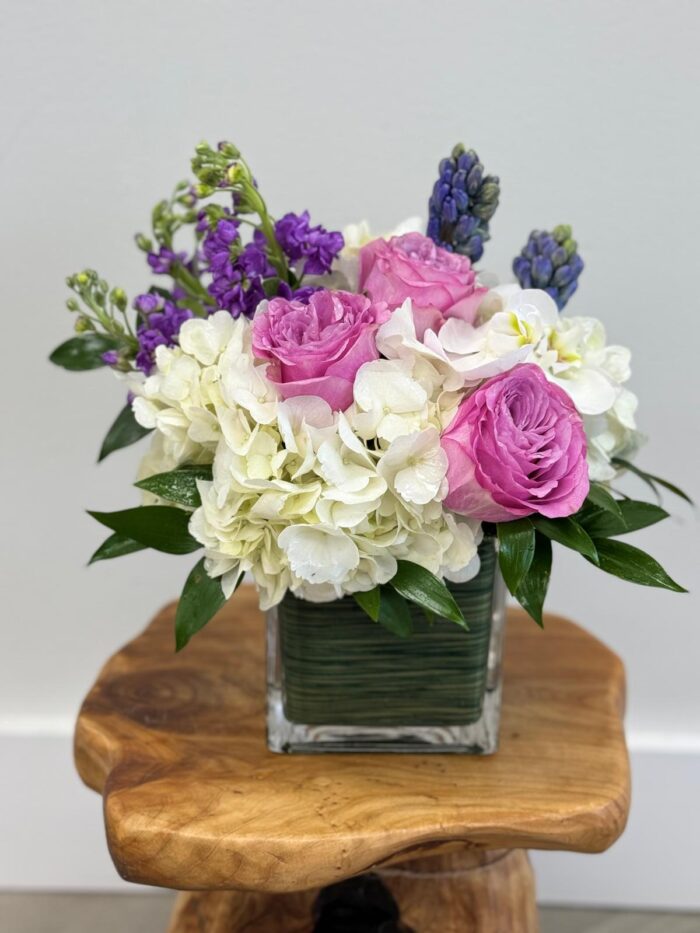
For weddings, a combination of white lilies and pink roses can create a stunning bouquet that symbolizes purity and love. Incorporating greenery, such as eucalyptus, can add texture and complement these colors, enriching the overall aesthetic. Likewise, for a heartfelt apology, choose flowers like chrysanthemums or white tulips, both known to symbolize sincerity and forgiveness when arranged thoughtfully.
Celebrations also offer a wonderful opportunity to embrace vibrant blooms. A bouquet featuring bright gerbera daisies and sunflowers can evoke feelings of happiness and positivity, perfect for congratulating someone on their achievements. Meanwhile, when expressing condolences, choosing softer colors can create a sense of peace and comfort. Flowers like white lilies or pale orchid arrangements can be appropriate, emphasizing serenity and sympathy.
When combining different flowers, pay attention to the color palette, as well as the individual meanings associated with each blossom. This assists in crafting a bouquet that deeply resonates with the recipient. Additionally, consider including filler flowers, such as baby’s breath, to add volume and softness. By thoughtfully selecting and pairing flowers, you can create a meaningful arrangement that eloquently communicates your intentions.
Tips for Gifting Flowers with Purpose
Gifting flowers is an art that goes beyond simply choosing a beautiful bouquet. To convey your intended message effectively, it is essential to consider the presentation, timing, and the accompanying note. Each of these elements plays a crucial role in making your flower gift resonate with emotion and meaning.
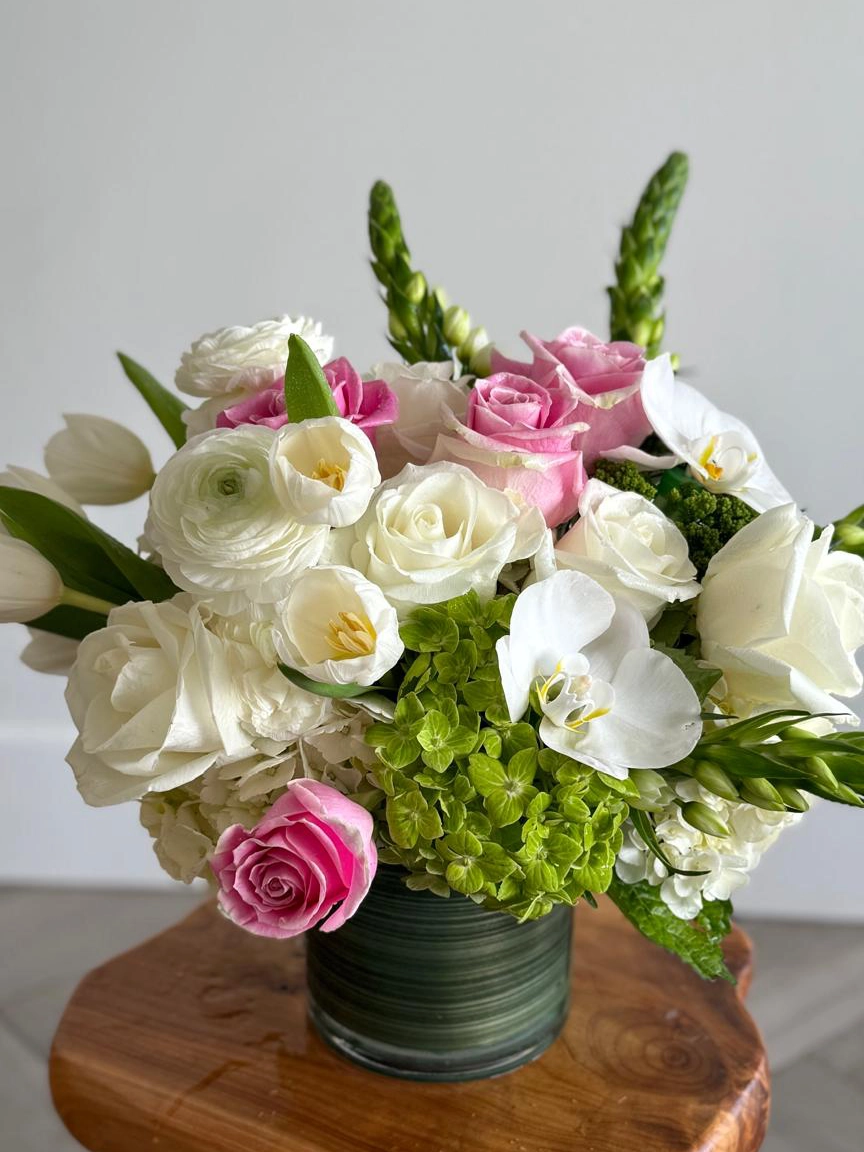
First, let’s discuss the importance of presentation. The way flowers are presented can enhance their impact significantly. Opt for a tasteful vase or an elegant wrapping that complements the color and type of blooms you select. Consider using earthy tones or pastels that evoke calm and warmth. A carefully arranged bouquet is more than just a collection of flowers; it reflects the thought and effort you put into the gift, elevating its significance.
Timing is equally vital in flower gifting. Awareness of the recipient’s situation will help you choose the right moment to deliver your blooms. For instance, sending flowers as a congratulatory gesture after a significant achievement can amplify the joy of the occasion. Conversely, thoughtful blooms sent during difficult times can offer comfort and support, underscoring the sentiment behind your gift.
Additionally, including a personalized note or message can further clarify the intent behind your gift of flowers. A well-crafted note allows you to articulate your feelings and connect more profoundly with the recipient. Whether it’s expressing love, gratitude, or sympathy, carefully chosen words will add a layer of meaning to your floral gift, enhancing its emotional weight.
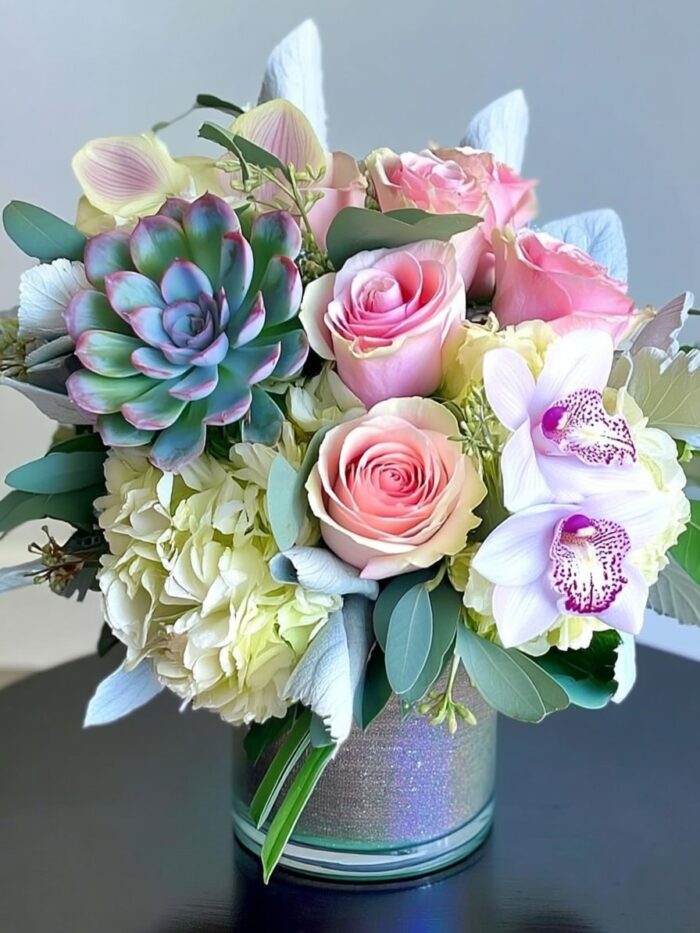
By paying attention to these details—presentation, timing, and your accompanying message—you can ensure that the flowers you choose truly reflect your feelings and intentions. This thoughtfulness not only enriches the gift-giving experience but also strengthens your relationship with the recipient, making the gesture even more impactful.